
Living in Koeberg’s shadow: Riverlands residents concerned about proposed nuclear project nearer to their homes
- Published:
More than fifty residents of Riverlands, about 60km north of Cape Town, met recently on the government’s plan to build a second nuclear plant, even closer to them than Koeberg nuclear plant which is just 20km away.
“The government must give us information! Forty years after Koeberg was built we have heard nothing. This meeting is important,” said 62-year-old Rachel Arendse, expressing concern for the safety of future generations including her own great-grandchild.
SAFCEI organised the meeting on 12 June to raise awareness about the new nuclear plant and encourage community participation around the Duynefontein plans in the rural settlement of about 5000 people.

Community members engage in discussion about the lack of information provided by government regarding nuclear developments in their area.

Riverlands residents in a budgeting activity that flagged rising electricity costs.
The previous day, SAFCEI, Earthlife Africa and Greenpeace Africa were successful in their first step to block the proposed Duynefontein plant.
The Western Cape High Court ordered the Minister of Electricity and Energy and the department’s Chief Director to provide them with information about the Duynefontein project proposal within 10 days. The 10 days deadline starts after the court has stamped the order.
SAFCEI’s “No Faith in False Solutions” campaign opposes the building of new nuclear plants in South Africa. Nuclear energy would be a more expensive, risky and less sustainable source of energy than renewables like solar and wind power.
Ministerial approval for the proposed Duynefontein plant - which at 4000MW would be double Koeberg’s 2000MW capacity - was based on an environmental impact assessment started in 2007 (EIA) which is nearly 20 years out of date.The environmental authorisation was granted in 2017, and appeals against it were only dismissed in 2025. It failed to take into account how much has changed since the EIA was done, including a sharp rise in the population surrounding Koeberg and the proposed site, and potential risks to them.
Who we are
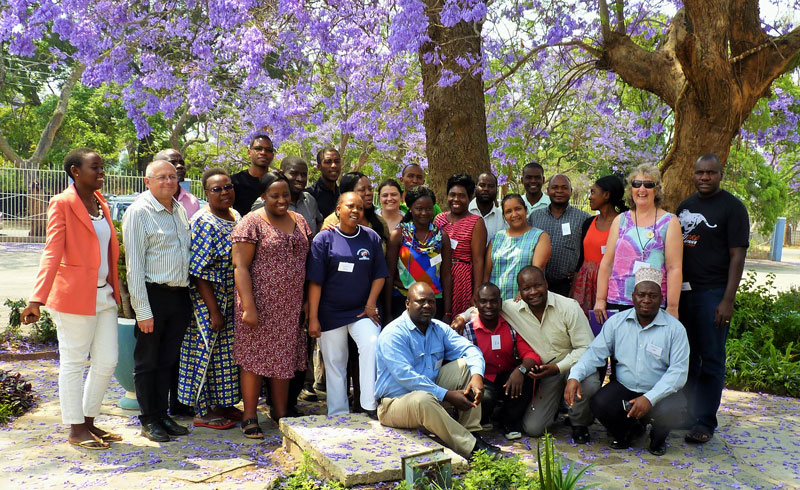
SAFCEI (Southern African Faith Communities’ Environment Institute) is a multi-faith organisation committed to supporting faith leaders and their communities in Southern Africa to increase awareness, understanding and action on eco-justice, sustainable living and climate change.
Featured Articles
-
South Africa: Who Ends Up Paying If DMRE Cooks the Price of Nuclear Power?
-
South Africa’s nuclear energy expansion plans continue to draw criticism, environmental NGOs chew over legal challenge
-
Earthlife Africa and SAFCEI respond to latest unsettling nuclear news regarding the ministerial determination
-
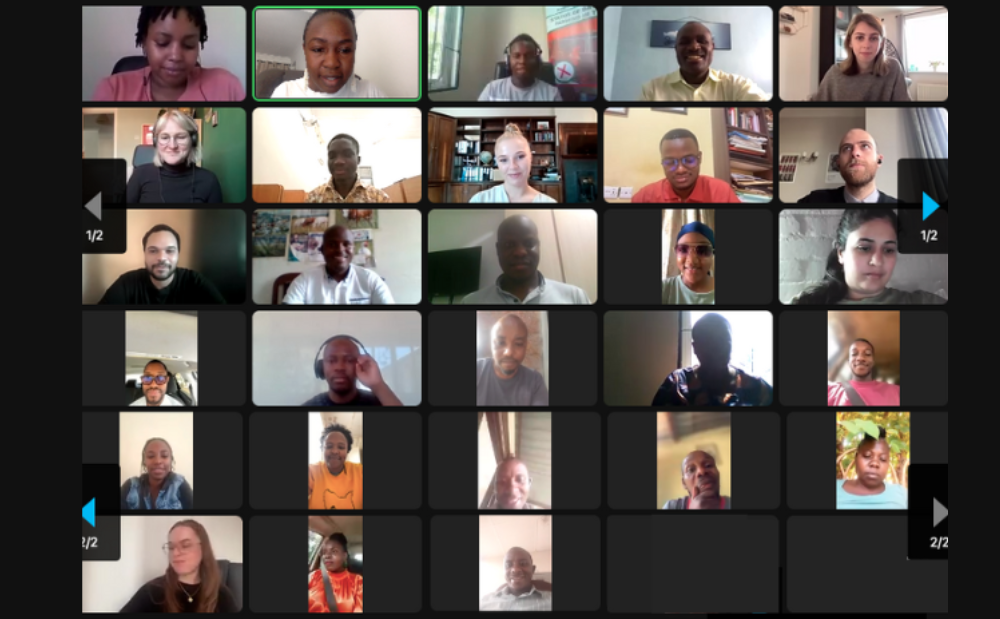
Open Wing Alliance Africa (Virtual) Summit 2023
-
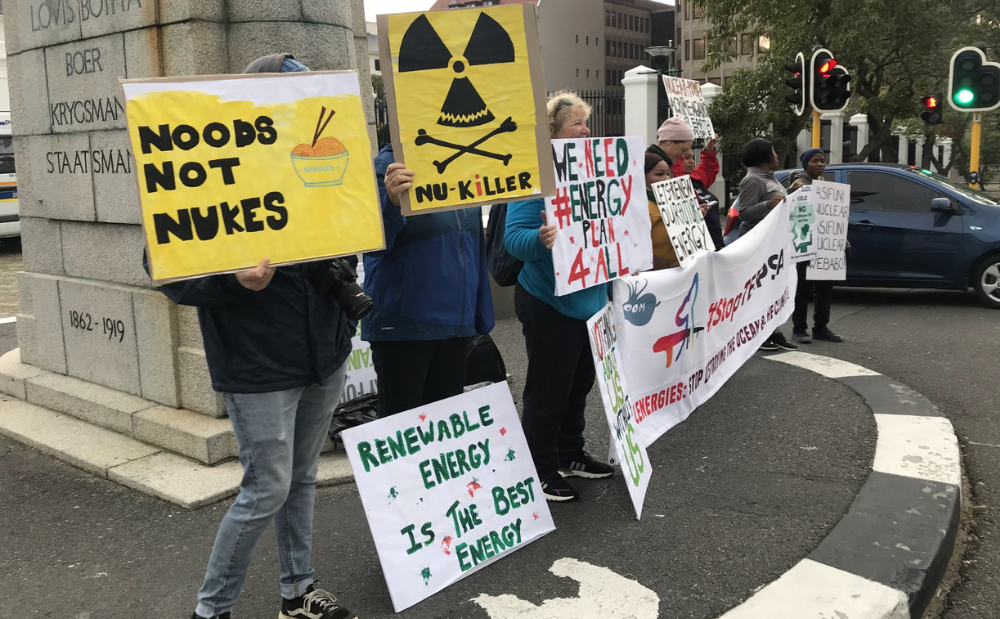
The Green Connection and SAFCEI respond to energy minister's divisive and deflecting comments
-
Job Vacancy: FLEAT Coordinator