
Faiths Rising for a Fossil Free Future
- Published:
Faiths Rising for a Fossil Free Future
Phase out fossil fuels, support renewable energy for all
Global Week of Faith Action 4-11 April, 2027
31 times, governments have gathered at the annual UN Climate COP in response to the global climate crisis. The Paris Agreement represents this process’s greatest legacy.
But over the past decade, it has become clear that a living future for the human family and our common home demands a stronger response. What is essential now is an ironclad agreement on a fossil fuel phaseout that complements, includes and goes beyond the COP process and that includes a fast, fair, financed transition to renewable energy.
Religious groups around the world are calling for a Fossil Fuel Treaty that binds signatories to a coal, oil and gas phaseout and a just energy transition.
To elevate this call, we will raise our collective voices in a global, multi-faith week of action 4-11 April 2027, called Faiths Rising. We invite every religious and spiritual community on our precious planet to take part.
The COP’s inability to phase out fossil fuels has not been for lack of public support. A 2024 survey showed that 80% - or four out of five - of all people globally want their governments to take stronger action to tackle the climate crisis. 72% supported their country replacing fossil fuels with renewable energy.
The COP’s shortcoming on this issue also cannot be blamed on lack of support among UN members. In 2021, every COP participant called for “a phasedown of unabated coal power.” In 2023, COP called for "Transitioning away from fossil fuels in energy systems, in a just, orderly and equitable manner, accelerating action in this critical decade, so as to achieve net zero by 2050 in keeping with the science.” In 2025, over 80 nations across Africa, Asia, Europe, Latin America, and Pacific island states demanded a global roadmap for phasing out fossil fuels.
But because the COP process requires consensus and relies on voluntary commitments that are not enforceable, COP is unable to address the single most powerful driver of climate change. A small number of countries with significant fossil fuel resources have and will continue to block action at the necessary level.
The survival of hundreds of millions of people should not be in the hands of a small number of wealthy nations or governments whose energy policy primarily reflects the interests of the fossil fuel industry. It is equally wrong that countries should commit to a fossil fuel phaseout in word but then fail to implement it in actuality.
When faced in the past by existential threats such as nuclear weapons, environmental threats such as the ozone layer, or humanitarian dangers such as land mines, the human family has responded in a consistent manner.
Everyday citizens, including millions of people of faith, have risen peacefully and at scale to call for action, alongside a coalition of willing governments. Together they have created a new ethical reality by calling for an international agreement.
In each of these instances, these efforts were viewed at first as impractical, politically impossible, and naive.
In each instance, passionate citizens and committed diplomats worked tirelessly, beyond formal UN channels, to nurture a new vision for humanity and negotiate a mechanism to make it real.
And in each instance, after much struggle, previously unwilling countries came on board, and the process was successful.
Phasing out fossil fuels and supporting a fast and fair transition to renewable energy represents the moral imperative of our time. The climate is already overheated, as we all see in the intensifying and deadly storms, floods, droughts and fires. Renewable energy is less expensive than ever, and can and must be developed in a manner that respects the rights of local communities. Countless lives are at stake and the clock is ticking.
But recent political developments, along with fossil fuel subsidies exceeding $12 million every minute, have slowed progress. After 31 COPs, it's time to recognize that the climate challenge is bigger than a single diplomatic process can address.
The COP process remains valuable. It will continue to achieve crucial progress. A new process for a just fossil fuel phaseout launched in Santa Marta, Colombia last April, and the continuation of this process with 2027 meetings in Ireland and Tuvalu, is also an important step in the right direction. 30 countries are now working together to develop a fossil fuel treaty.
Given what is at stake, we must be direct. Anything short of a binding, international agreement will not achieve what’s needed in the necessary timeframe and scale.
As people of faith, we must make this overwhelmingly popular but politically challenging reality into an unavoidable moral imperative.
We have contributed to such social transformations in the past - the abolition of slavery and child labor, the end of South African apartheid, Civil Rights in the US, a nuclear freeze and much more. It is time for us to rise again, to prove that our religions’ beautiful words and our common commitment still have the power to move mountains.
To people of diverse faiths and spiritualities: let’s join together next April and remind the world what love in action looks like, by championing a fair, fast phase out of fossil fuels.
To governments: Inspired by compassion, love and justice we will not stand down until every person can access safe, affordable, reliable clean energy and the fossil fuel era has ended.
And to the sacred power we hold most dear: we ask for the strength and energy necessary to pursue this urgent calling.
All signatories below endorse this statement and are committed to advancing the agenda for phasing out fossil fuels and encouraging their members to participate in the April 2027 Faiths Rising Week of Action.
All data gathered through this sign-on letter will be stored securely and used only for correspondence related to the 4-11 April Week of Action. Contact information will not be added to any organization’s database.
Who we are
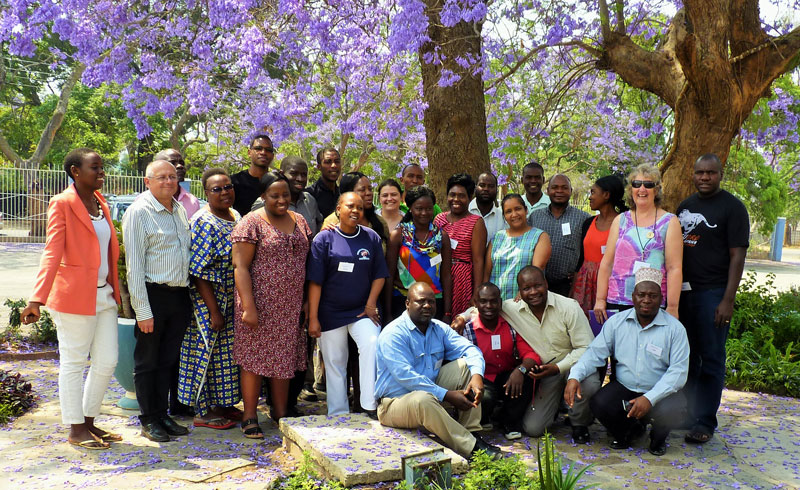
SAFCEI (Southern African Faith Communities’ Environment Institute) is a multi-faith organisation committed to supporting faith leaders and their communities in Southern Africa to increase awareness, understanding and action on eco-justice, sustainable living and climate change.
Featured Articles
-
South Africa: Who Ends Up Paying If DMRE Cooks the Price of Nuclear Power?
-
South Africa’s nuclear energy expansion plans continue to draw criticism, environmental NGOs chew over legal challenge
-
Earthlife Africa and SAFCEI respond to latest unsettling nuclear news regarding the ministerial determination
-
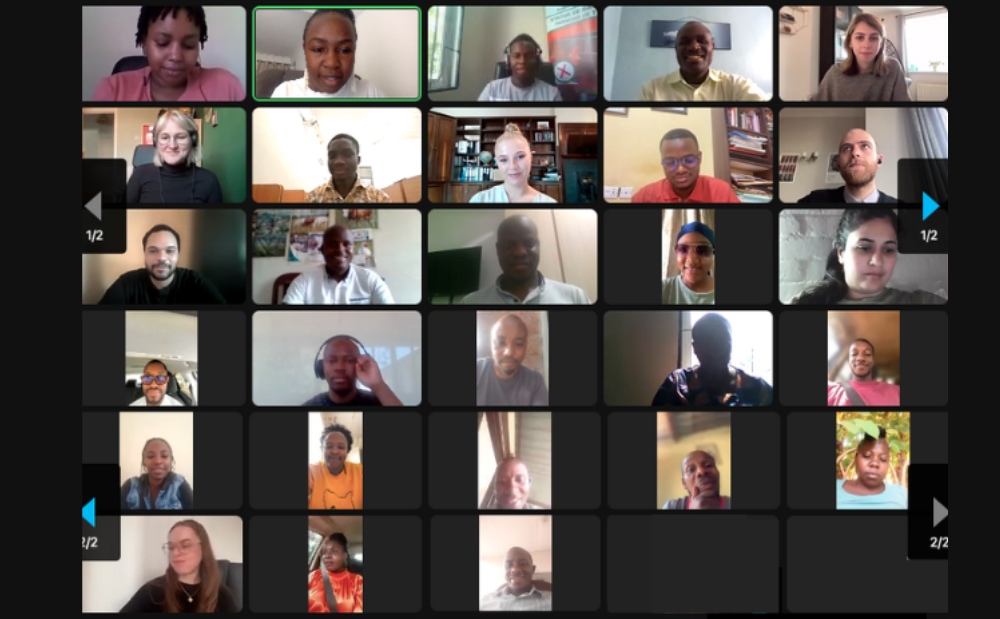
Open Wing Alliance Africa (Virtual) Summit 2023
-
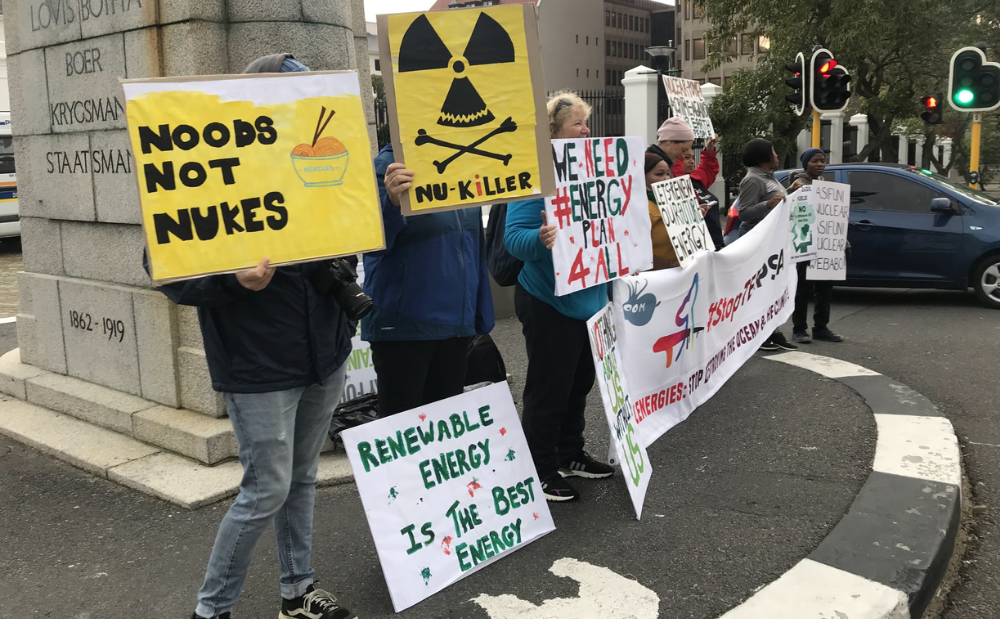
The Green Connection and SAFCEI respond to energy minister's divisive and deflecting comments
-

Job Vacancy: FLEAT Coordinator