
Hunger in a land of plenty: SAFCEI testifies at inquiry into broken food system
- Published:
Full shelves, empty stomachs: the broken food system behind South Africa’s hunger
“One loaf, one family”, said a party political campaigner handing out bread in Marabastad, Pretoria, last week, the day before the South African Human Rights Commission launched a national inquiry into South Africa’s food systems.
One in four children suffer stunting and malnutrition, and one in five households run short of food despite an abundance of food in South Africa, where tonnes of food are discarded every day.
Hunger is not the result of scarcity. Hunger is the result of an industrialised food system that prioritises profit over health and wellbeing.
This is one reason the Southern African Faith Communities’ Environment Institute (SAFCEI) supports the national inquiry into South Africa’s food systems, focusing on how food is produced and distributed.
Food is not merely an economic commodity but a sacred right, intrinsically linked to the sanctity of life and cultural identity—a matter of human dignity - SAFCEI contends in its submission to the inquiry, casting a moral and spiritual lens on this basic right.
The shared responsibilities of the state, private actors, and communities in fulfilling the right to food will come under the spotlight at the inquiry. It seeks to confront the structural causes of hunger and examine the role of law, policy, corporate power, and communities in shaping food systems.
SAFCEI’s submission to the SAHRC is an extension of its “No Faith in False Solutions” campaign, launched in August 2025. This campaign challenges South Africa’s development paths, particularly in agriculture and energy.
The current industrialised model is flawed, prioritising corporate profit, specialised livestock, seed genetics and monocrop production over the Constitutional right to food, dignity, and a healthy environment.
In South Africa, a handful of powerful companies, under the influence of global corporates and organisations, dominate domestic food production, processing and distribution.
“Decisions are made by powerful players within the food sector without due consideration for the communities, ecosystems, and animals they will most affect,” says Gabriel Manyangadze, SAFCEI’s Food & Climate Justice manager.
SAFCEI identifies these systemic failures in the food system as a fundamental disconnect between South Africa’s abundant natural resources and the millions of citizens who remain hungry or malnourished.
The industrialised and increasingly technocratic food systems in South Africa, and globally, have evaded “true cost accounting” for decades, says Zwelisha Shobede, the Cage-Free Campaign coordinator at SAFCEI.
They purposefully ignore the hidden environmental and social harms of intensive livestock farming as they expand operations. This leaves the profound costs of poor animal welfare and ecological degradation largely unexplored.
This concern is a keystone of SAFCEI’s “No Faith in False Solutions” campaign, which identifies industrial livestock production - evasion of true cost accounting - as “false solutions” to food insecurity.
The food sovereignty and agroecology movements, which argue that communities should have the right to define their own food and agriculture systems, rather than being subject to international market forces or industrial monopolies, offer true solutions - and help to protect against climate shocks.
“Indigenous foods have more resilience to climate change, meaning that a shift towards indigenous food and systems means sustainable and resilient ways of solving the food crisis,” says Muslim faith leader Mu-Aalima Amyna.
Food customs and practices are deeply embedded in communities as cultural and ritual practices, linked to faith traditions and cultural identity. Faith communities uphold the wholeness, divinity, and sanctity of food and life, recognising that the physical intake of food has a spiritual dimension.
SAFCEI aims to empower faith communities and those most affected to better understand and actively advocate for agroecological systems. These promote sustainable consumption, ensure access to nutritious food, and help protect against health pandemics while building climate resilience.
SAFCEI urges the government to stop forcing commercialisation onto alternative agroecological practices, calling instead for a transition away from industrial models toward these integrity-based, true solutions.
By recognising their inherent wisdom and effectiveness in ensuring food security for South Africa, this transition restores transparency, upholds human dignity, and respects the sanctity of all living beings.
SAFCEI director Francesca de Gasparis said: “Any system that obscures its environmental, animal welfare, and social fallouts lacks the moral integrity required to nourish life.”
Authors: Zwelisha Shobede and Gabriel Manyangadze
Who we are
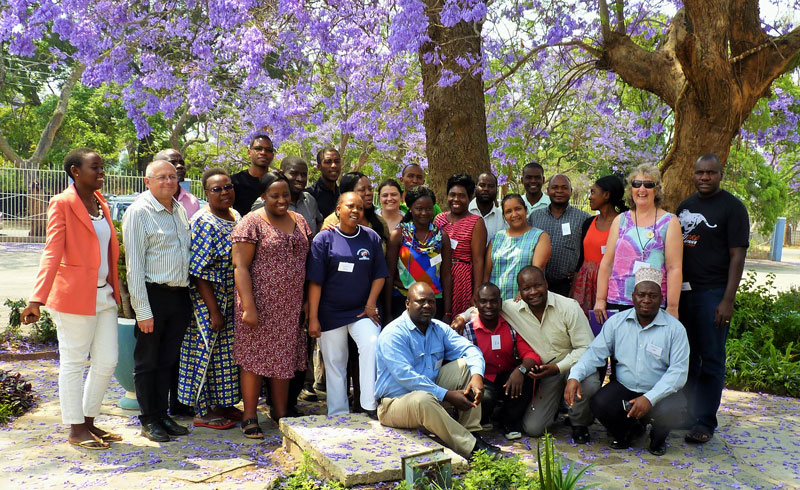
SAFCEI (Southern African Faith Communities’ Environment Institute) is a multi-faith organisation committed to supporting faith leaders and their communities in Southern Africa to increase awareness, understanding and action on eco-justice, sustainable living and climate change.
Featured Articles
-
South Africa: Who Ends Up Paying If DMRE Cooks the Price of Nuclear Power?
-
South Africa’s nuclear energy expansion plans continue to draw criticism, environmental NGOs chew over legal challenge
-
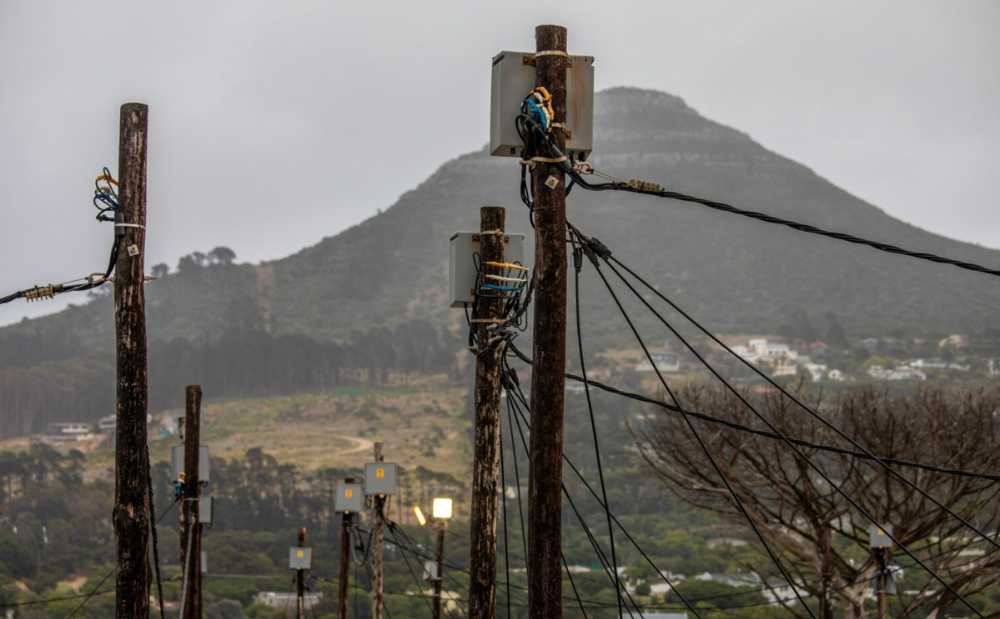
Earthlife Africa and SAFCEI respond to latest unsettling nuclear news regarding the ministerial determination
-
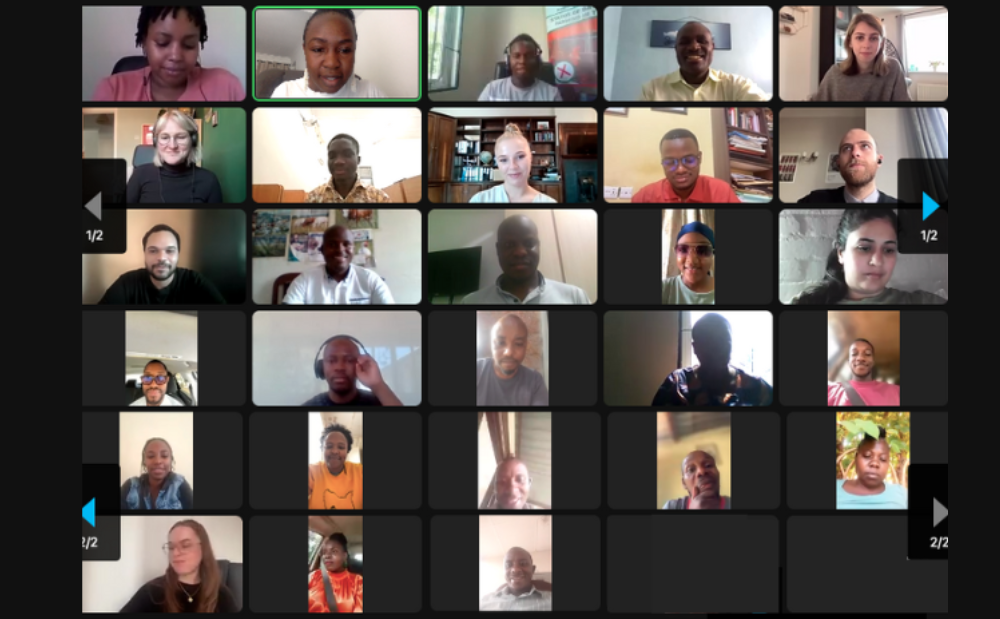
Open Wing Alliance Africa (Virtual) Summit 2023
-
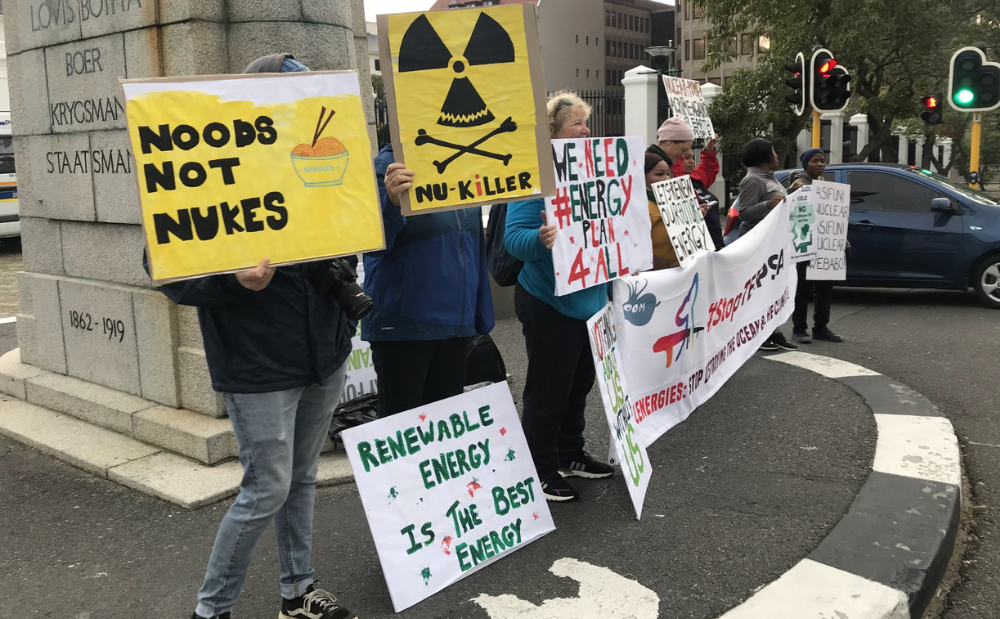
The Green Connection and SAFCEI respond to energy minister's divisive and deflecting comments
-
Job Vacancy: FLEAT Coordinator